The Future of Work: How AI Is Changing Team Productivity
Ihor Soloviov · Team ·
Artificial Intelligence is either seen as the greatest productivity revolution or the biggest threat to modern jobs. However, history shows this pattern is familiar. Computers, the internet, and automation were all once considered threats, yet none eliminated the need for people. They simply changed how we create value. Today, AI is following the same path.
Cleaning Up the Office
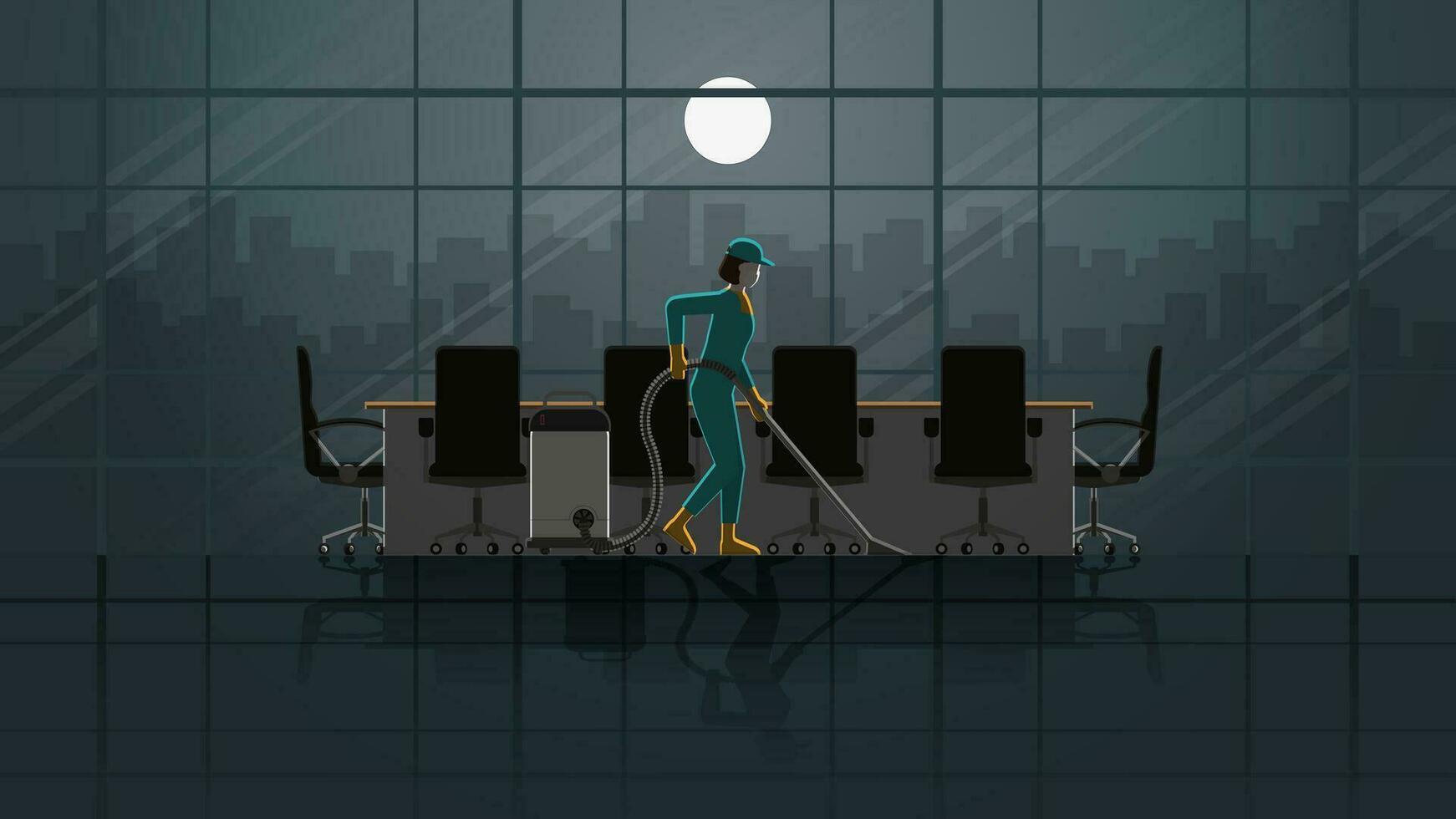
AI is best viewed not as a replacement for office workers, but as a "janitor" cleaning up daily digital clutter: repetitive tasks, manual documentation, endless searches, and administrative work. Most of this work is necessary, but creates little real value. AI’s greatest contribution is removing the friction that prevents people from doing their best work.
We've Been Augmenting Human Intelligence for Years
Machine-assisted thinking isn't new. Before Google, finding information took hours or days; now it takes seconds. While we don't always think of search engines as AI, they have extended human capabilities for decades. AI is simply making that existing assistance dramatically more powerful.
AI Doesn't Replace People. It Replaces Processes.
"AI is replacing humans."
A more accurate view is that AI replaces processes. The invention of vacuum cleaners didn't eliminate cleaning; it shifted human focus away from repetitive labor toward judgment and decision-making. AI operates similarly: it doesn't eliminate work, it eliminates friction.
Productivity Is About Leverage
Productivity isn't about doing more work personally; it's about leveraging systems. AI introduces a new form of 24/7 delegation for research, drafting, summarizing, and coding. While AI isn't perfect—sometimes acting like a junior team member on a bad day—the productivity gains are impossible to ignore.
The Engineer's Role Is Moving Up the Stack
"If AI writes the code, what happens to software engineers?"
Future engineers won't spend less time thinking; they will spend less time typing. The role is shifting from execution to orchestration—coordinating specialized AI tools from implementation to strategy and system design.
Your AI Is Only As Good As Its Manager
AI value doesn't exist independently of the user. A senior developer gets exponentially better results from AI than a junior because better questions and architectural decisions produce better outcomes. The quality of AI output mirrors the skills of the person directing it—the better leader you are, the more valuable your AI workforce becomes.
The Future Belongs to Orchestrators
The next decade belongs to those who can effectively coordinate humans and AI systems. Tools don't create direction; people do. Moving from producing to orchestrating is not a downgrade—it's a promotion.
The Circle Is Still Moving
Like a shrinking circle in a battle royale game, technological progress keeps moving regardless of our complaints. History shows that adaptation consistently outperforms resistance.
Final Thoughts
Feeling uncomfortable about transformative technology is normal. However, the professionals who thrive in the AI era won't just memorize prompts; they will remain curious and keep learning. AI is an amplifier, not a guarantee. The opportunity is not to compete against machines, but to learn how to work alongside them.